


Day(s)
:
Hour(s)
:
Minute(s)
:
Second(s)
In 2022, FAIR SHARE started a process to explore what intersectional monitoring could look like in the social impact sector. At the core of this undertaking was the understanding that for monitoring to be a truly effective tool for change, it must be able to capture the various forms of inequities that push people to the margins. Guided by a working group of experts, this exploration resulted in recommendations for monitoring practices that are reflective of intersectionality principles and responsive to the needs of marginalised communities.
Earlier this year, we launched an intersectional monitoring pilot tool to put into practice recommendations from the intersectional monitoring exploration process. With this pilot, our aim was to experiment with a tool that the social impact sector could use to identify and address the structural barriers that hinder inclusion. As a result, rather than centring data collection on marginalised communities, the tool focused on examining underlying systems and practices that perpetuate exclusion, or conversely, foster inclusion within organisations.
We are excited to convene our community on Wednesday 20 May, from 15:00 to 16:45 CEST to explore FAIR SHARE’s first intersectional monitoring findings and exchange on how our sector can better promote inclusion and equity. Register now!
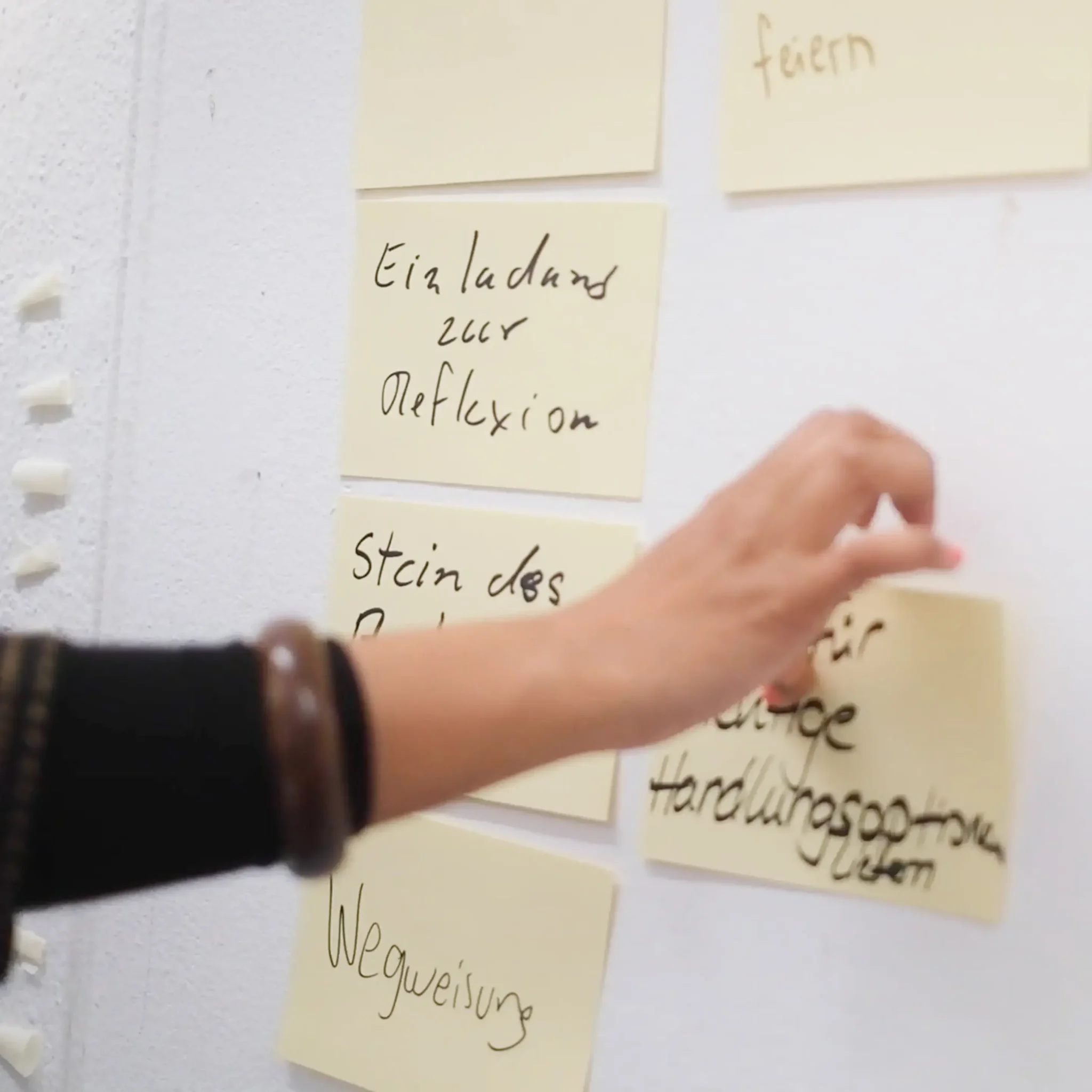
During this virtual event, you will:
The detailed programme is outlined below.
A snapshot of the project and the pilot’s key findings, followed by an interactive Q&A session.
A space for organisations to share practices, challenges, lessons learned and opportunities for advancing intersectional equity and inclusion within their structures. Together, we will explore questions such as:
Short reflection from the Intersectional Monitoring team on key learnings from the process and how they can inform future monitoring action.
Closing reflections and appreciation for participants.
We’re pleased to welcome sector leaders and practitioners as they share lessons, reflections and insights from their intersectional equity and inclusion journeys.

Nana Brantuo is a policy and research strategist specializing in equity, intersectional analysis, and systems-level change. With over ten years of experience across government, nonprofits, NGOs, higher education, and consulting, she supports organizations in using research and disaggregated data to inform policy, strengthen accountability, and advance gender and racial equity. She is the Founder and Principal Consultant of Strategic Praxis Advisory and currently advises national initiatives focused on data governance, feminist research, and community-centred policy development.
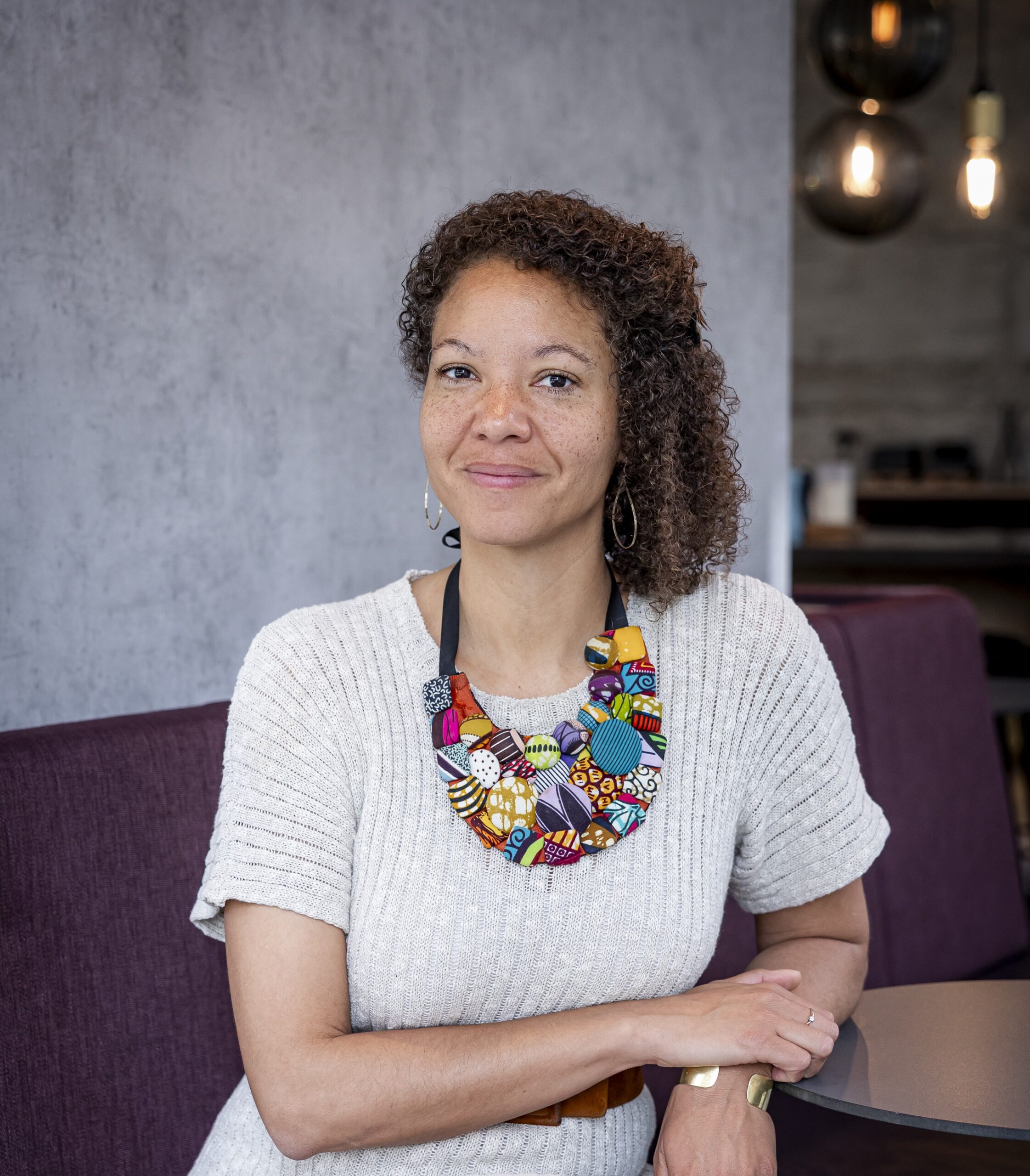
Dr. Hedda Ofoole Knoll is the General Director of Employers For Equality, a member of the Board of Trustees at filia.die frauenstiftung (filia Women’s Foundation), and serves on the Advisory Board of Black in Tech. Previously, she was the Managing Director of the social job portal tbd– The Changer GmbH. Currently, she is also active with her father, Prof.Dr. Mensah, in the GIZ Diaspora Startup Program.
In her roles, she developed innovative formats, particularly focusing on intersectional in human resources policy, collaborating with organizations such as the Gesellschaft für Internationale Zusammenarbeit (GIZ), the Goethe-Institut, and the GLS Bank. As a trained communication and behavioural trainer, she advises organizations on the structural anchoring of “Belonging” and delivers lectures and keynotes on the subject.
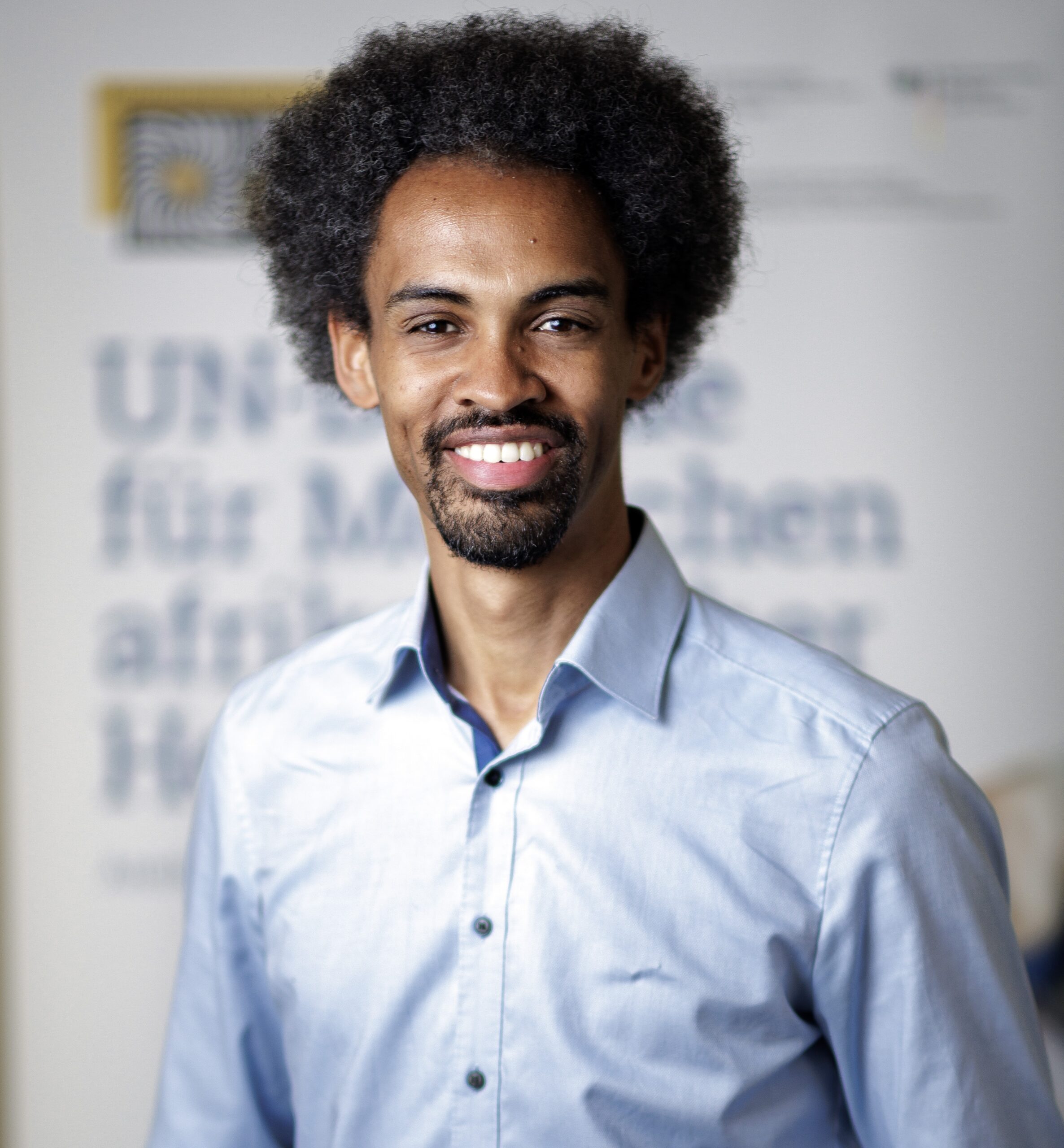
Daniel Gyamerah is the Director and Co-Founder of the Zentrum für Data-driven Empowerment, Leadership und Advocacy (zedela), a Think Tank for research critical of racism and BIPoC Leadership. He serves as Chairman of the Berlin-based black empowerment organisation Each One Teach One (EOTO), is on the Board of Trustees of the Hertie School of Governance, a member of the Advisory Council to the Federal Anti-Discrimination Agency as well as founding board member of the neue deutsche organisationen (ndo). His work has been covered on major television and news outlets, most prominently the Afrozenus – the largest quantitative research project on People of African Descent in Germany, which he co-authored. Daniel is passionate about establishing, exploring and transforming empowering structures and organizations that serve the interests of marginalized communities. He holds a BA in Politics and Public Administration from the University of Konstanz and a Master in Public Policy from the Hertie School of Governance.
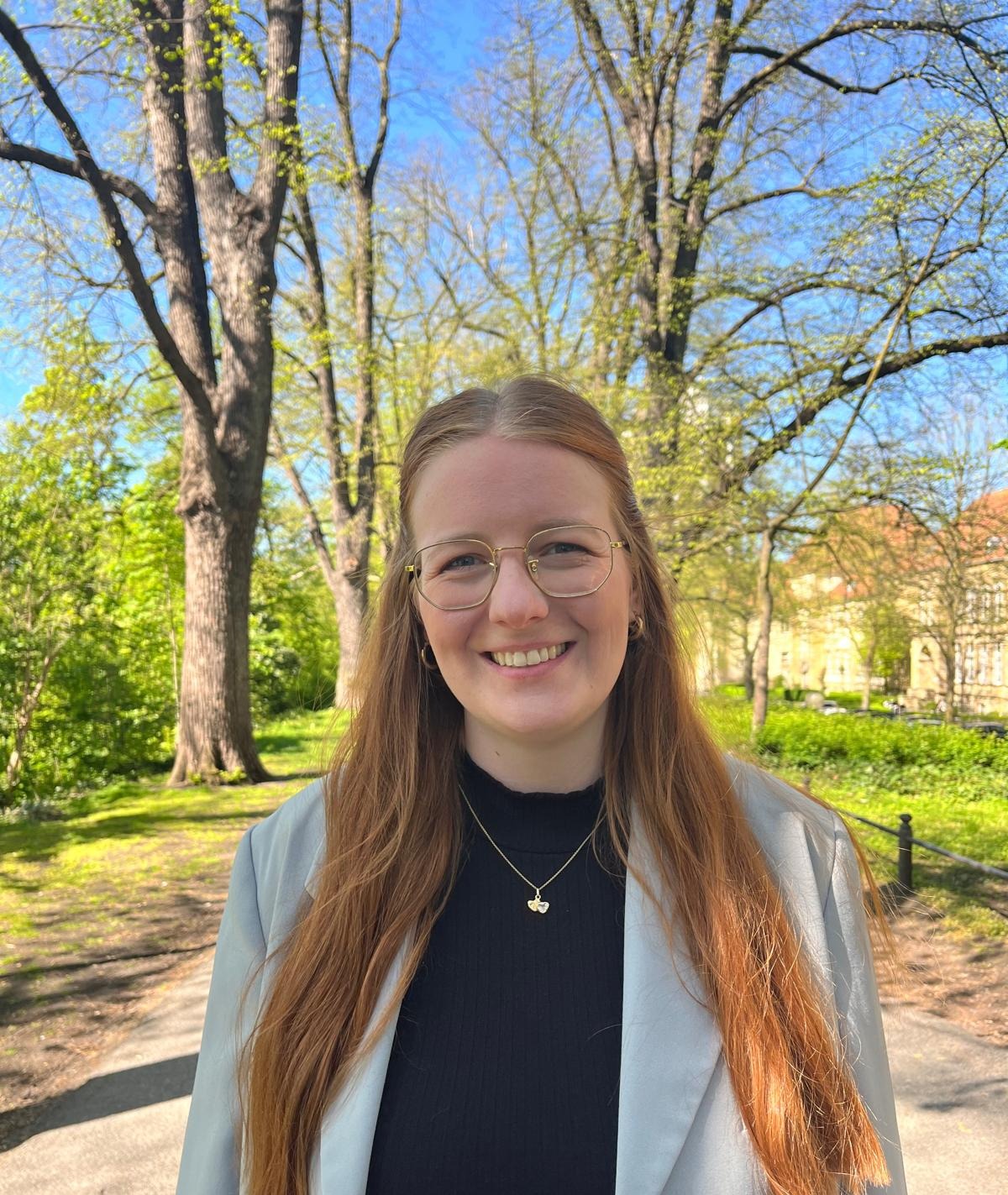
Jana Wittke holds a Bachelor of Arts in Cultural Studies and Business Ethics. Since January 2025, she works as a Project Manager at Meine Bildung und Ich e. V., focusing on democracy and education work in Osnabrück, Germany. Since October 2025, she has additionally taken responsibility for organizational development. Her work is driven by commitments to global justice, equity, and intersectionality, and by efforts to build a resilient civil society and foster anti-capitalist approaches in today’s political landscape. In her role, she is actively working to embed intersectional equity and inclusion into the structures of Meine Bildung und Ich e. V., demonstrating how smaller, young organizations can integrate these values as they expand.
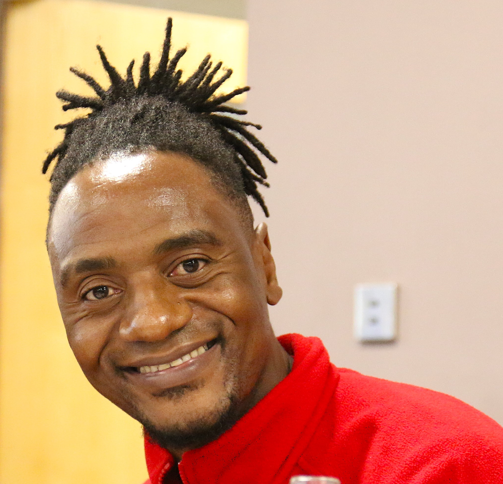
Batanai Padya is a DEIB-driven leadership practitioner and currently serves as Diversity, Equity, Inclusion & Belonging (DEIB) Lead at Christian Aid. He served the organisation from its central supporter office in Warrington and worked as Church engagement and Fundraising officer in West Midlands before taking this new role as DEIB Lead in 2025.
A co-founder of Young People for Others (YPO) in Zimbabwe where he comes from, Batanai empowers young people to embrace identity, reclaim cultural pride, and lead with purpose. He is also the founder of the One Life Batanai Podcast, a platform for reflective dialogue on leadership, identity, and human dignity.
Batanai’s leadership is shaped by 19 years of Jesuit formation and service across Zimbabwe, Southern Africa, and Europe. This foundation informs his deeply human-centred approach—seeing potential before limitation and building systems that cultivate belonging, responsibility, and growth.